Buy ennoia.eu ?
We are moving the project
ennoia.eu .
Are you interested in purchasing the domain
ennoia.eu ?
domain@kv-gmbh.de · 0541-91531010
Buy ennoia.eu ?
Is the 8-year-old Merlot still drinkable?
It is possible that an 8-year-old Merlot is still drinkable, as Merlot wines can age well depending on the producer and storage conditions. However, it is important to note that not all Merlots are meant for long-term aging, so the quality of the wine may have deteriorated over time. To determine if the wine is still drinkable, it is recommended to taste a small amount and assess its aroma, flavor, and overall balance. **
How long is the shelf life of Merlot red wine?
The shelf life of Merlot red wine can vary depending on how it is stored. Generally, an unopened bottle of Merlot can be stored for 3-5 years in a cool, dark place. Once opened, the wine should be consumed within 3-5 days to ensure optimal taste and quality. It is important to re-cork the bottle and store it in the refrigerator to help preserve the wine. **
Similar search terms for Merlot
Top-Angebote
Products related to Merlot:
-
Merlot Mlecnik 2015The Merlot from the Slovenian winery Mlecnik is an artisanal interpretation of remarkable richness and charm, produced in the Vipavska Dolina area. For over two centuries, the Mlecnik family has been the custodian of this region, but it was at the end of the 1980s that the actual qualitative leap occurred with the abandonment of bulk wine sales in favor of internal bottling under their own name. Today, the winery is led by Valter Mlecnik, a talented winemaker who has been skilled in respecting the ancient and established traditions passed down through generations. The Mlecnik Merlot Vipavska Dolina is made from only Merlot grapes grown in soils composed of marls, clays, and limestone rocks in accordance with the principles of organic farming, certified since 2005. Once the clusters have reached the perfect degree of ripeness, manual harvesting and crushing take place, with alcoholic fermentation conducted exclusively by indigenous yeasts. The subsequent aging period takes place in oak barrels for 24 months, at the end of which the wine is bottled. Throughout the entire winemaking process, the mass undergoes no clarification, filtration, or addition of sulfur. The Slovenian Merlot from Mlecnik displays a garnet red color with violet hues. The vivid olfactory mosaic is defined by fruity and floral aromas, adorned with scents of tomato leaf and tobacco. On the palate, it shows remarkable balance between silky softness and brilliant freshness, with a rich and complex tannic structure. The finish is long-lasting with exceptional flavor-aroma correspondence. A Merlot of excellent versatility in food-wine pairing, suitable for dishes based on various meats, aged cheeses, and flavorful mushroom preparations.50,00 £*Shipping: 48,00 £Secure redirect to the provider


-
What are the taste differences between Merlot and Bordeaux wine?
Merlot and Bordeaux wines are both red wines, but they have distinct taste differences. Merlot is known for its smooth, velvety texture and flavors of ripe fruit, such as plum, cherry, and berry. It also often has notes of chocolate and herbs. Bordeaux wine, on the other hand, is a blend of several grape varieties, including Merlot, Cabernet Sauvignon, and Cabernet Franc. Bordeaux wines tend to be more complex, with flavors of blackcurrant, cedar, and tobacco, and have a firmer tannic structure. Bordeaux wines also often have a longer aging potential compared to Merlot. **
-
How could a mind map on the topic of sustainability in mobility look like?
A mind map on sustainability in mobility could have "sustainability" as the central topic, with branches extending out to cover various aspects such as alternative fuels, public transportation, electric vehicles, bike sharing, and urban planning. Each of these branches could further extend to include subtopics like environmental impact, energy efficiency, social equity, and economic benefits. The mind map could also include connections between these different aspects to show how they are interrelated and contribute to overall sustainability in mobility. Overall, the mind map would provide a visual representation of the complex and interconnected nature of sustainability in mobility. **
-
What do society, environment, and economy have to do with sustainability?
Society, environment, and economy are all interconnected when it comes to sustainability. Society plays a crucial role in driving sustainable practices through education, awareness, and advocacy. The environment is directly impacted by human activities and is essential for the well-being of society and the economy. The economy relies on natural resources and a healthy environment to thrive, and sustainable practices are necessary to ensure long-term economic stability. Therefore, achieving sustainability requires a balance between the needs of society, the health of the environment, and the strength of the economy. **
-
Do jobs in the field of sustainability, environment, and climate protection exist?
Yes, there are many jobs in the field of sustainability, environment, and climate protection. These jobs can range from environmental scientists and engineers to sustainability consultants and climate policy analysts. Many industries and organizations are increasingly recognizing the importance of addressing environmental and climate issues, leading to a growing demand for professionals with expertise in these areas. Additionally, there are opportunities for individuals to work in advocacy, education, and community outreach related to sustainability and environmental protection. **

How can the three dimensions of sustainability - economy, society, and environment - be described?
The three dimensions of sustainability can be described as interconnected and interdependent aspects that need to be balanced for long-term well-being. The economic dimension focuses on creating prosperity and ensuring financial stability while considering the impact on society and the environment. The social dimension emphasizes equity, social justice, and community well-being, ensuring that the needs of all individuals are met. The environmental dimension involves protecting natural resources, reducing pollution, and promoting sustainable practices to preserve the planet for future generations. Balancing these dimensions is essential for achieving sustainable development. **
How can I design a school presentation on sustainability and environmental protection?
To design a school presentation on sustainability and environmental protection, you can start by researching and gathering information on the topic. Include statistics, examples, and case studies to make the presentation more engaging and informative. Use visuals such as images, infographics, and videos to help convey the message effectively. You can also incorporate interactive activities or discussions to involve the audience and encourage participation. Lastly, provide actionable steps or tips for students to implement in their daily lives to promote sustainability and environmental protection. **
Top-Angebote
Products related to Merlot:
-
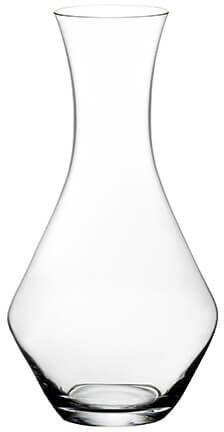
Riedel Merlot DecanterThis unique and stylish Riedel Decanter is suitable for allowing Merlot wines to breathe before serving. The design of the Decanter allows the wine to be served whilst producing the best possible taste and aroma. Each Decanter is machine blown crystal glass and marked with the unique Riedel lettering as a genuine and distinguishing feature. Older wines can be decanted and served almost straight away, whereas newer wines benefit from breathing for longer once in your Decanter. 970ml capacity. Measures 24cm high and widest part 11.5cm.48,00 £*Shipping: 3,50 £Secure redirect to the provider
-
Merlot Mlecnik 2015The Merlot from the Slovenian winery Mlecnik is an artisanal interpretation of remarkable richness and charm, produced in the Vipavska Dolina area. For over two centuries, the Mlecnik family has been the custodian of this region, but it was at the end of the 1980s that the actual qualitative leap occurred with the abandonment of bulk wine sales in favor of internal bottling under their own name. Today, the winery is led by Valter Mlecnik, a talented winemaker who has been skilled in respecting the ancient and established traditions passed down through generations. The Mlecnik Merlot Vipavska Dolina is made from only Merlot grapes grown in soils composed of marls, clays, and limestone rocks in accordance with the principles of organic farming, certified since 2005. Once the clusters have reached the perfect degree of ripeness, manual harvesting and crushing take place, with alcoholic fermentation conducted exclusively by indigenous yeasts. The subsequent aging period takes place in oak barrels for 24 months, at the end of which the wine is bottled. Throughout the entire winemaking process, the mass undergoes no clarification, filtration, or addition of sulfur. The Slovenian Merlot from Mlecnik displays a garnet red color with violet hues. The vivid olfactory mosaic is defined by fruity and floral aromas, adorned with scents of tomato leaf and tobacco. On the palate, it shows remarkable balance between silky softness and brilliant freshness, with a rich and complex tannic structure. The finish is long-lasting with exceptional flavor-aroma correspondence. A Merlot of excellent versatility in food-wine pairing, suitable for dishes based on various meats, aged cheeses, and flavorful mushroom preparations.50,00 £*Shipping: 48,00 £Secure redirect to the provider
-
Is the 8-year-old Merlot still drinkable?
It is possible that an 8-year-old Merlot is still drinkable, as Merlot wines can age well depending on the producer and storage conditions. However, it is important to note that not all Merlots are meant for long-term aging, so the quality of the wine may have deteriorated over time. To determine if the wine is still drinkable, it is recommended to taste a small amount and assess its aroma, flavor, and overall balance. **
-
How long is the shelf life of Merlot red wine?
The shelf life of Merlot red wine can vary depending on how it is stored. Generally, an unopened bottle of Merlot can be stored for 3-5 years in a cool, dark place. Once opened, the wine should be consumed within 3-5 days to ensure optimal taste and quality. It is important to re-cork the bottle and store it in the refrigerator to help preserve the wine. **
-
What are the taste differences between Merlot and Bordeaux wine?
Merlot and Bordeaux wines are both red wines, but they have distinct taste differences. Merlot is known for its smooth, velvety texture and flavors of ripe fruit, such as plum, cherry, and berry. It also often has notes of chocolate and herbs. Bordeaux wine, on the other hand, is a blend of several grape varieties, including Merlot, Cabernet Sauvignon, and Cabernet Franc. Bordeaux wines tend to be more complex, with flavors of blackcurrant, cedar, and tobacco, and have a firmer tannic structure. Bordeaux wines also often have a longer aging potential compared to Merlot. **
-
How could a mind map on the topic of sustainability in mobility look like?
A mind map on sustainability in mobility could have "sustainability" as the central topic, with branches extending out to cover various aspects such as alternative fuels, public transportation, electric vehicles, bike sharing, and urban planning. Each of these branches could further extend to include subtopics like environmental impact, energy efficiency, social equity, and economic benefits. The mind map could also include connections between these different aspects to show how they are interrelated and contribute to overall sustainability in mobility. Overall, the mind map would provide a visual representation of the complex and interconnected nature of sustainability in mobility. **
Similar search terms for Merlot
-
Merlot 'Verdugo' Masiero 2017Merlot 'Verdugo' is not only one of the most representative wines of the Vicenza-based Masiero winery, but also represents its most authentic face, expressing its soul and essence. It is the synthesis of a journey that began in 2001 with the creation of the vineyard and the choice of a Bordeaux grape variety particularly suited to the local soil and climate conditions. The excellent quality of the grapes suggested the creation of a red wine with a good structure, which also thanks to long ageing in wood presents a rich aromatic complexity and considerable longevity. It conquers with its soft personality, its intense and dense fruit, and its immediate and lively taste pleasure. Verdugo' is a Merlot made near Trissino, where Franco Masiero owns a family-run estate, managed with great passion. The activity began almost as a pastime, with the first Merlot vines planted with the idea of producing some wine to share with friends. The encouraging results of the first vinifications then led to a more ambitious and structured project. The soils are of ancient volcanic origin, rich in minerals. The vineyards are managed according to biodynamic principles, with the utmost respect for the environment. Treatments are only carried out with sulphur, copper and natural preparations. Harvesting is carried out manually and the Merlot grapes are fermented spontaneously using only indigenous yeasts in open vats, with about three weeks' maceration on the skins. The wine matures for a period of approximately one year in large oak barrels and completes the ageing process with a further 12 months in the bottle. Masiero's red Merlot 'Verdugo' is a wine made with spirit and craftsmanship, born of Franco's great love for his land and his passion for viticulture. It is the fruit of a great deal of work in the vineyard, which is reflected in its frank and genuine character. Bright ruby red in colour, it expresses on the nose intense aromas of small berries, wild blackberries, currants, raspberries, delicate spicy hints and nuances of officinal and balsamic herbs, typical of the evolution of Merlot. With a good structure, it presents a fine tannic texture, well integrated and enveloped by a dense and juicy fruit, which conquers for its breadth, richness and expressive harmony. The finish is of good persistence.30,00 £*Shipping: 48,00 £Secure redirect to the provider
-
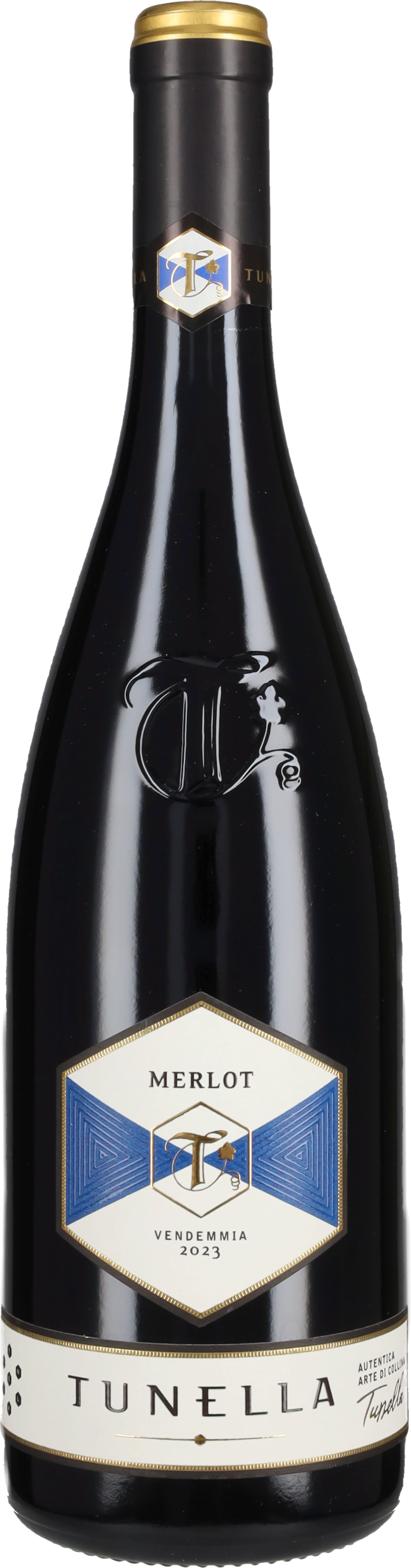
Merlot La Tunella 2024Il Merlot di La Tunella è un vino rosso friulano in cui i sentori varietali emergono nettamente. Merito della grande estrazione che si riesce a ottenere in fase di vinificazione, stadio in cui i profumi primari rappresentano la base su cui si innestano i successivi sentori terziari ceduti dal legno durante la maturazione. Asciutto, morbido e armonico in bocca, ha una beva scorrevole e di personalità, grazie a un tannino espressivo. Un vino che scaturisce da un paesaggio di rara bellezza e suggestività, quello dei Colli Orientali del Friuli, luogo che merita senza dubbio una visita per approfondire il valore dei vini che vi nascono. Il Merlot La Tunella nasce nel territorio dei Colli Orientali del Friuli, area produttiva importante per ciò che riguarda la produzione regionale. Le viti crescono con il sistema del monocapovolto e del guyot francese, e la raccolta si svolge durante l’ultima settimana del mese di Settembre, quando i grappoli raggiungono il massimo grado di maturazione zuccherina e fenolica. Gli acini vengono pressati sofficemente, e il mosto fermenta in vasche d’acciaio a una temperatura controllata, svolgendo anche la malolattica. Il vino scende poi per caduta nella barricaia interrata, dove si prosegue con la fase di affinamento per alcuni mesi in botti di rovere di Slavonia dalla capacità di 25 ettolitri. Il vino rosso Merlot firmato La Tunella si annuncia alla vista con un colore rosso rubino attraversato da trame più granate. La frutta di bosco a bacca nera si annuncia anche con rimandi di marmellata, intervallati da tocchi speziati e sfumature di cacao e tabacco. Entra in bocca con un sorso di buon corpo, morbido e ricco nell’ampiezza, dotato di una particolare persistenza. Un’etichetta che si trova a suo agio in tavola con i menu di terra, e che si può decidere di conservare ancora per tre o quattro anni.17,00 £*Shipping: 48,00 £Secure redirect to the provider
-
What do society, environment, and economy have to do with sustainability?
Society, environment, and economy are all interconnected when it comes to sustainability. Society plays a crucial role in driving sustainable practices through education, awareness, and advocacy. The environment is directly impacted by human activities and is essential for the well-being of society and the economy. The economy relies on natural resources and a healthy environment to thrive, and sustainable practices are necessary to ensure long-term economic stability. Therefore, achieving sustainability requires a balance between the needs of society, the health of the environment, and the strength of the economy. **
-
Do jobs in the field of sustainability, environment, and climate protection exist?
Yes, there are many jobs in the field of sustainability, environment, and climate protection. These jobs can range from environmental scientists and engineers to sustainability consultants and climate policy analysts. Many industries and organizations are increasingly recognizing the importance of addressing environmental and climate issues, leading to a growing demand for professionals with expertise in these areas. Additionally, there are opportunities for individuals to work in advocacy, education, and community outreach related to sustainability and environmental protection. **
-
How can the three dimensions of sustainability - economy, society, and environment - be described?
The three dimensions of sustainability can be described as interconnected and interdependent aspects that need to be balanced for long-term well-being. The economic dimension focuses on creating prosperity and ensuring financial stability while considering the impact on society and the environment. The social dimension emphasizes equity, social justice, and community well-being, ensuring that the needs of all individuals are met. The environmental dimension involves protecting natural resources, reducing pollution, and promoting sustainable practices to preserve the planet for future generations. Balancing these dimensions is essential for achieving sustainable development. **
-
How can I design a school presentation on sustainability and environmental protection?
To design a school presentation on sustainability and environmental protection, you can start by researching and gathering information on the topic. Include statistics, examples, and case studies to make the presentation more engaging and informative. Use visuals such as images, infographics, and videos to help convey the message effectively. You can also incorporate interactive activities or discussions to involve the audience and encourage participation. Lastly, provide actionable steps or tips for students to implement in their daily lives to promote sustainability and environmental protection. **
* All prices are inclusive of VAT and, if applicable, plus shipping costs. The offer information is based on the details provided by the respective shop and is updated through automated processes. Real-time updates do not occur, so deviations can occur in individual cases. ** Note: Parts of this content were created by AI.